Purchases are not available yet. You can browse the site and sign in.
LSD vs Psilocybin Microdosing: Key Differences · Microdosing College
Foundations
LSD vs Psilocybin Microdosing: Differences in Effects and Practice
By Microdosing College Editorial·Last updated August 20, 2026·8 min read
LSD vs psilocybin microdosing is the most common comparison new microdosers make, and with good reason: these two substances account for the vast majority of microdosing practice worldwide. They work through overlapping but distinct pharmacology, produce noticeably different subjective effects even at full doses, and sit in very different legal positions. This article sets out what is genuinely known — and what is not — drawing on survey data and the handful of controlled trials that now exist. It is part of our pillar guide on microdosing psilocybin.
A quick framing note before the comparison: the controlled evidence for microdosing in general is still thin. A 2024 review of all controlled microdosing trials in Biological Psychiatry: CNNI concluded that most positive findings come from observational and self-report studies, and that placebo-controlled trials have mostly returned null or mixed results (Marschall et al., 2024). Keep that caveat in mind for everything that follows.
Dose and duration: the first big difference
The most practical difference between LSD and psilocybin is potency and duration. LSD is active at microgram quantities — millionths of a gram — whereas psilocybin is measured in milligrams or fractions of a gram. That ten-thousand-fold gap in potency makes precise LSD microdosing genuinely difficult without volumetric dilution equipment.
A large 2019 survey of 1,116 microdosers found the most common LSD microdose to be around 10 µg (micrograms) and the most common psilocybin microdose to be around 0.5 g of dried mushroom — both described as sub-perceptual by most respondents (Hutten et al., 2019, International Journal of Neuropsychopharmacology). These are typical-use figures from self-report, not clinical recommendations.
LSD
Psilocybin
Typical microdose
~7–13 µg
~0.1–0.3 g dried mushroom; ~1–2 g fresh truffle
Active dose unit
Micrograms (µg)
Milligrams / grams
Duration of a full dose
8–12 hours
4–6 hours
Duration of microdose effect
Up to 6–8 hours
3–5 hours
Difficulty of precise dosing
High — requires dilution
Moderate — capsules feasible
The longer duration of LSD matters practically. A 10 µg LSD microdose taken at 7 a.m. may still produce mild alertness or sleep disruption into the evening. A controlled trial (Allen et al., 2024, Translational Psychiatry) found that LSD microdoses added roughly 24 minutes of sleep duration the night after dosing — but the mechanism and generalisability remain uncertain. Psilocybin's shorter window makes morning dosing less likely to interfere with evening rest or sleep, though individual responses vary considerably.
Subjective character: what survey data say about the felt difference
Among the more consistent findings in self-report research is that LSD and psilocybin feel qualitatively different even at microdose levels, though controlled trials at these doses have not mapped the difference rigorously.
The Hutten et al. (2019) survey asked respondents to describe their experience. LSD microdosers more often reported effects they characterised as stimulating, focused, and energising — closer in feel to a strong cup of coffee than to a psychedelic experience. Psilocybin microdosers more often described their experience as warmer, more emotional, and grounding, with a slight inward or introspective quality.
A 2025 critical review of 57 human microdosing studies (Rieser et al., Current Opinion in Psychology) noted that most subjective-effects data come from surveys of self-selected people who already believe microdosing works — meaning expectation effects are woven into almost every self-report finding. The direction of the difference (LSD = brighter/more stimulating; psilocybin = warmer/more introspective) is consistent across surveys, but should not be taken as pharmacologically established fact.
Practically, this difference matters for timing. People who microdose LSD often choose it for work-day focus tasks. People who microdose psilocybin more often describe using it for emotional processing, creative work, or general wellbeing. Neither preference is right or wrong — it reflects a personal fit question that only the individual can answer.
If you are trying to understand what either substance feels like at a microdose level, what does a microdose feel like covers the phenomenology in more depth.
Tolerance, cross-tolerance, and scheduling
Both LSD and psilocybin act primarily on 5-HT2A serotonin receptors, and both produce rapid tolerance with repeated dosing. This is why neither is taken daily: the second day would be largely ineffective. Animal research has demonstrated cross-tolerance between LSD and other 5-HT2A agonists, driven by rapid receptor downregulation (de la Fuente Revenga et al., 2022, ACS Chemical Neuroscience). That work used animal models at doses not directly comparable to human microdosing, but the mechanism is the same one underpinning standard dosing schedules like the Fadiman protocol.
Critically, LSD and psilocybin are cross-tolerant with each other. If you dose on one substance and switch to the other the next day, you will get a blunted response. This is why protocols specify off-days regardless of substance — and why mixing the two in the same protocol window is counterproductive. For more on how tolerance accumulates and how to manage it, see microdosing tolerance and cross-tolerance.
Legal context: a meaningful asymmetry
Legal status is not a minor footnote — it shapes access, quality control, and risk in ways that dwarf any pharmacological difference at microdose levels.
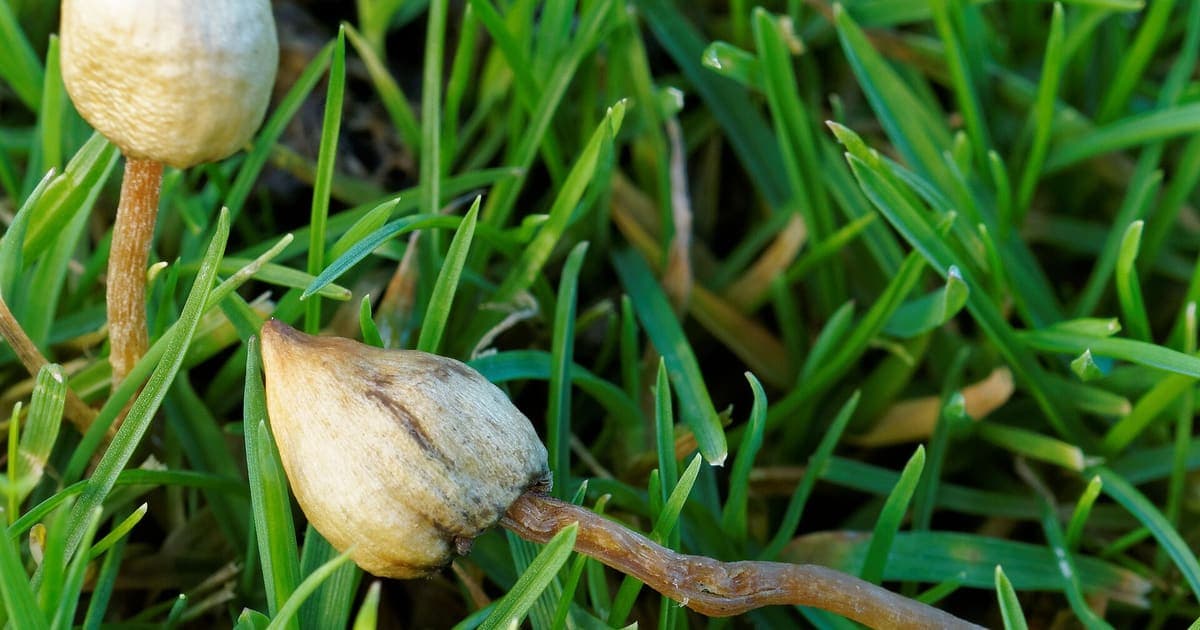
Psilocybin truffles (sclerotia) are legal to sell in the Netherlands. They were never added to the Dutch Opium Act List II, which banned psilocybin mushrooms in 2008. This means Dutch residents and visitors can purchase truffles from licensed vendors, with known strain and approximate potency — a genuine harm-reduction advantage. Dried mushrooms and extracted psilocybin remain controlled substances in the Netherlands and across most of the world.
LSD is a Schedule I / List I controlled substance in virtually every jurisdiction, including the Netherlands. There is no legal retail source, which means:
No quality control or purity guarantees
Actual potency varies widely between batches and suppliers
The legal risk of possession or purchase falls entirely on the individual
This asymmetry is clinically significant. Inaccurate LSD dosing — getting 25 µg instead of 10 µg — can push a microdose into a mildly perceptual range, creating a difficult experience at an inconvenient time. With legal Dutch truffles, a trained vendor can advise on gram-equivalent dosing ranges. For an in-depth look at how that translates to practice, see truffle dosage: grams vs mushrooms and does microdosing work for what the evidence behind the whole practice actually shows.
Safety signals and who should avoid both
Neither LSD nor psilocybin is simply "safe" at any dose, and microdosing shares many of the same contraindications as full-dose use. The RAND 2026 survey of 10,122 U.S. adults estimated that roughly 10 million Americans microdosed in 2025, and the Priest et al. (2026, Addiction) nationally representative survey found psilocybin microdosing concentrated in younger adults — a demographic where adverse-effect data are limited.
Both substances carry elevated risk for people with:
A personal or family history of psychosis, schizophrenia, or bipolar disorder
Cardiovascular conditions (LSD carries slightly more pronounced cardiovascular stimulation)
Concurrent use of lithium (seizure risk documented with psychedelics), MAOIs, or SSRIs
Pregnancy or breastfeeding
Rieser et al. (2025) found that adverse effects — including anxiety, headaches, and emotional difficulty — were reported in a meaningful minority of microdosers across studies, and were more likely when dosing was imprecise or context was not carefully considered.
The NCCIH (U.S. National Center for Complementary and Integrative Health) notes that psilocybin should not be used without professional oversight in people with psychiatric vulnerabilities, and that evidence for therapeutic use remains preliminary. The same logic applies to LSD. Before making any decision, use the self-screener and review microdosing contraindications.
Choosing between them: a practical summary
For most people in the Netherlands, the choice is effectively made by legality: psilocybin truffles are the only option available without breaking the law. For those in jurisdictions where both are equally controlled — which is most of the world — the choice comes down to duration, feel, and tolerance for dosing difficulty.
Choose psilocybin if you want a shorter active window, easier capsule dosing, a warmer/more emotional character, and (in the Netherlands) legal access
Consider LSD only if you have reliable access, the equipment to dilute accurately, and are comfortable with an 8–12-hour active window
Never combine both in the same protocol window — cross-tolerance will reduce the effect of whichever you take second
The evidence base for both substances at microdose levels is still developing. Neither has been approved to treat any condition. What surveys consistently show is that set, setting, intention, and careful scheduling matter as much as the substance choice itself — a point worth weighing before the pharmacology comparison takes over.
Frequently asked
What is the main difference between LSD and psilocybin microdosing?+
LSD is active at microgram quantities and lasts 8–12 hours; psilocybin is measured in milligrams and lasts 4–6 hours. Survey data suggest LSD feels more stimulating and focused, while psilocybin feels warmer and more introspective. Both share a sub-perceptual intent and a spacing schedule to avoid tolerance.
Can I use LSD and psilocybin on alternate days in the same protocol?+
No. LSD and psilocybin are cross-tolerant — they act on the same 5-HT2A receptors, so using one after the other blunts the response to the second substance. Protocols require off-days from all serotonergic psychedelics, not just the one you are primarily using.
Is psilocybin microdosing legal and LSD microdosing not?+
In the Netherlands, psilocybin truffles (sclerotia) are legal to sell and purchase; LSD is a controlled substance there and in virtually every other country. Elsewhere, both are typically controlled — check your local law. Legal access to truffles also means better quality control and safer dosing guidance.
Which substance has more controlled trial evidence for microdosing?+
LSD has been used in more recent controlled microdosing trials, including a study that measured its effect on sleep (Allen et al., 2024). Psilocybin has more naturalistic and survey data. A 2024 review (Marschall et al.) concluded that controlled trials of both substances have mostly returned null or mixed results — positive findings lean heavily on self-report surveys.
Are there people who should not microdose with either substance?+
Yes. Both carry elevated risk for people with a personal or family history of psychosis, schizophrenia, or bipolar disorder; those taking lithium, MAOIs, or SSRIs; and those who are pregnant or breastfeeding. Use the self-screener at /screener and read the contraindications guide before making any decision.
This guide is general educational information about microdosing, not medical advice and not a recommendation to use any substance. It can't account for your personal health. If you take medication or live with a mental-health condition, speak with a qualified professional before making any decision.